
Process
Great architecture emerges through professional expertise and lived experience
Our design approach is shaped by an intimate knowledge of the site and your living patterns.
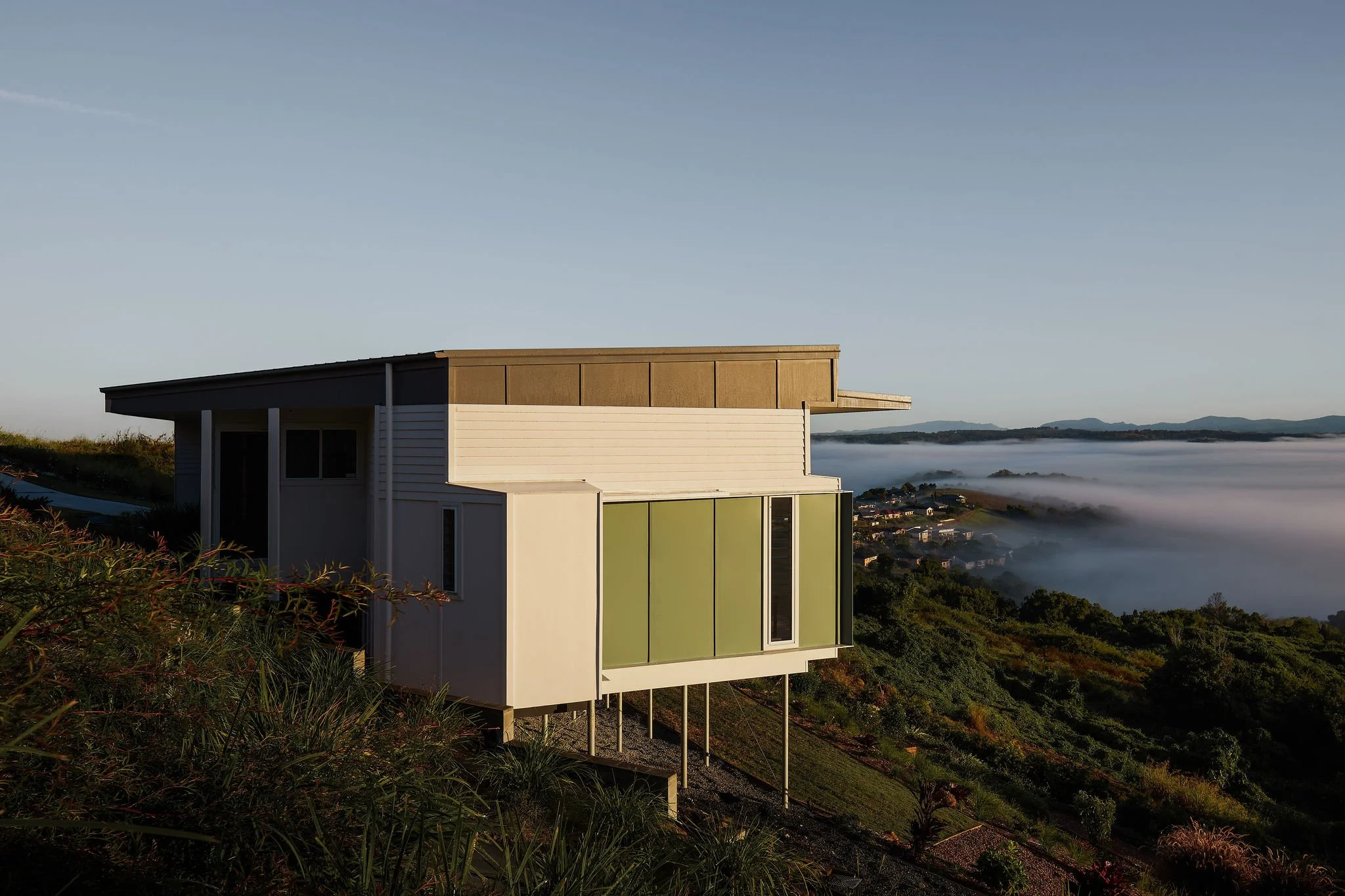
We begin by listening. Not just to requirements but to stories about daily routines and long-term aspirations.
Who gets up early, how you come together and how you find solitude, your personal preferences and desires.
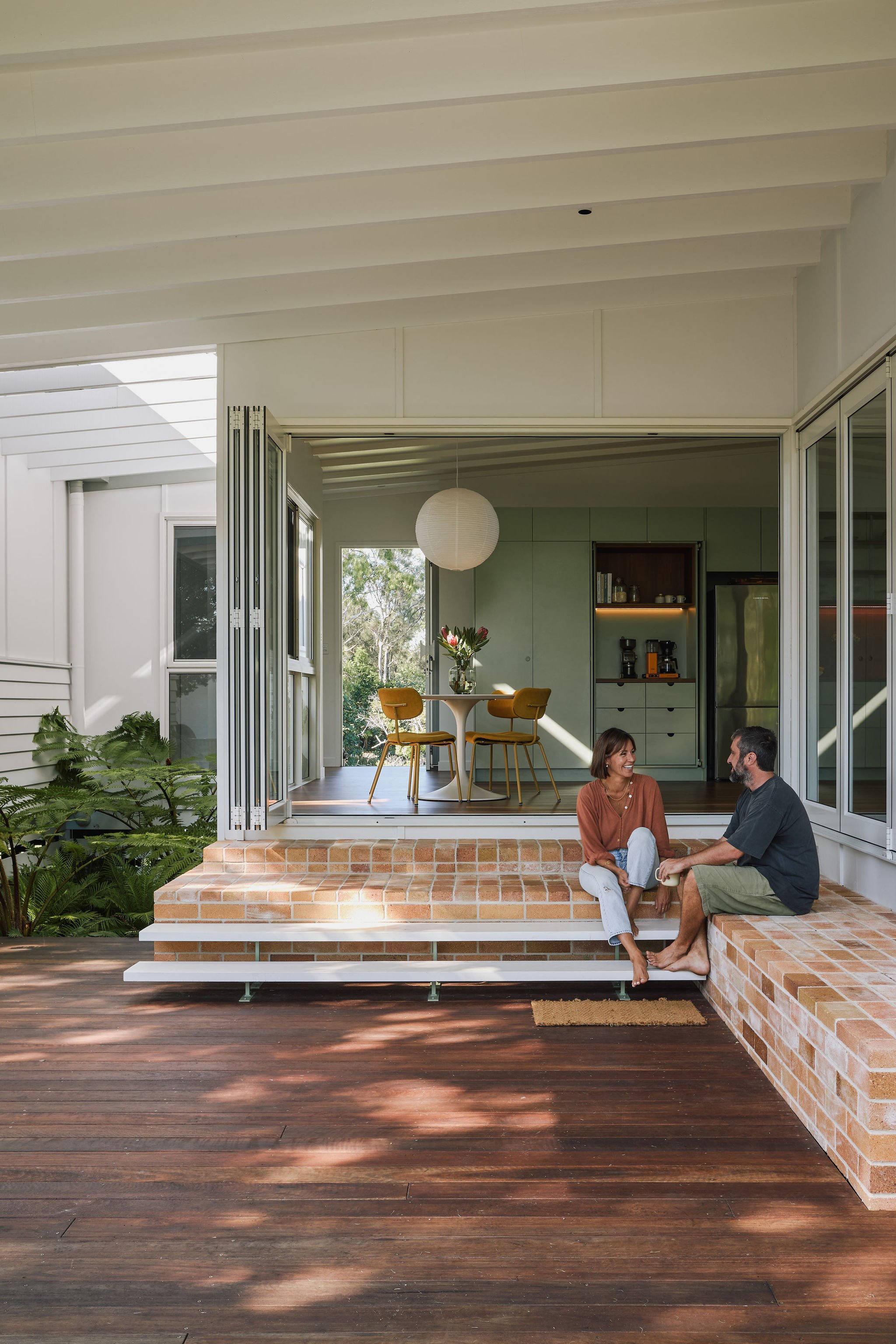
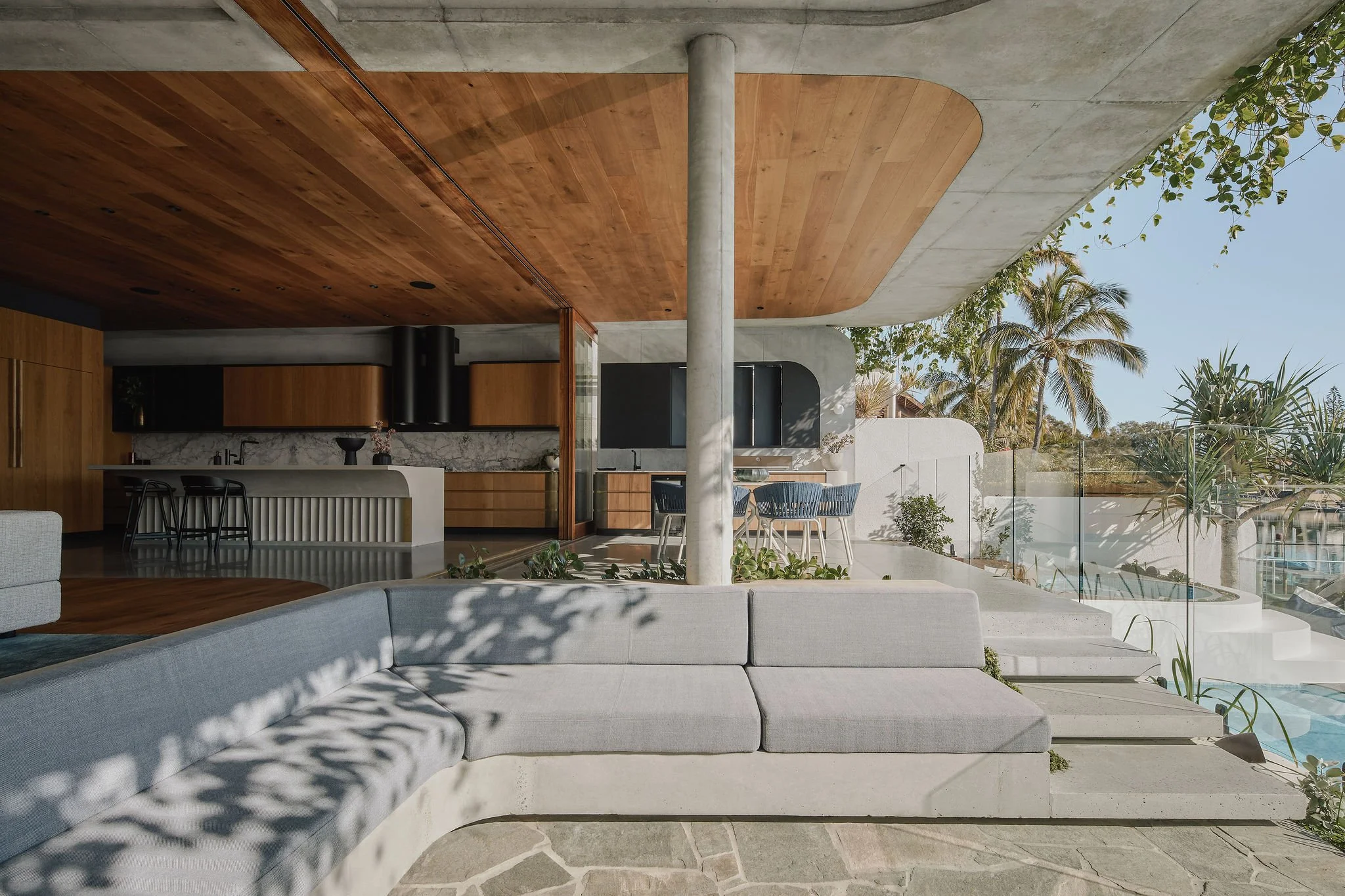
We take time to understand where the winter sun streams in, where breezes prevail.
This intimate knowledge of living patterns means we almost know where you’ll have your morning coffee before you do. Some moments are there for you to uncover over time.
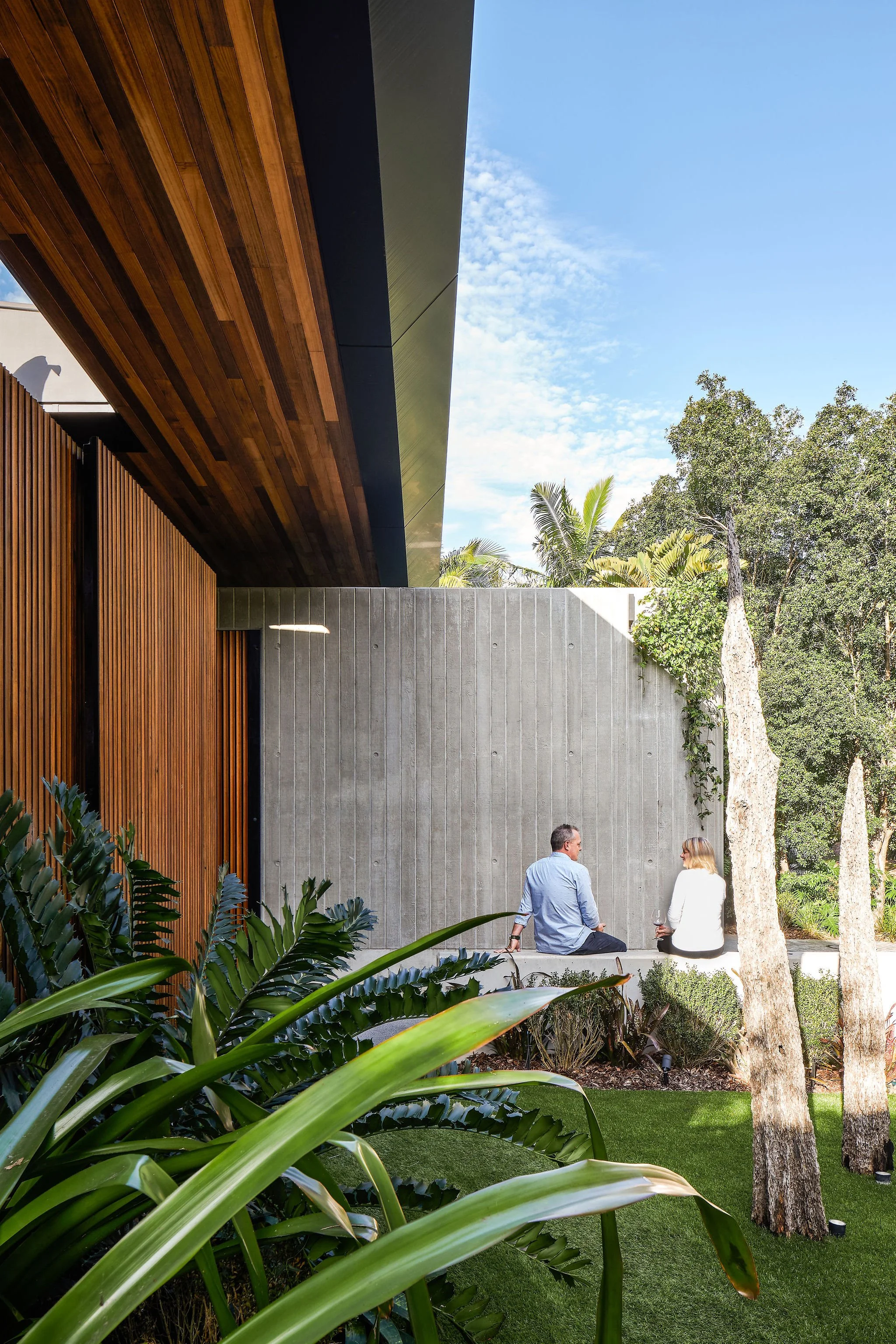
Our collaboration extends through construction and beyond. We're there during the build, ensuring design intent is maintained.
The relationship doesn't end at handover. There's ongoing dialogue about how spaces perform, how materials age, how life unfolds within the architecture.
Project stages
Good design takes time. It’s about ensuring what we create together will enhance your daily experience for decades to come.
While every project is unique, understanding the typical stages helps set expectations for the journey ahead.
-
We begin by understanding not just what you need, but how you live. This involves detailed conversations about your daily patterns, long-term aspirations, and what home means to you. We'll visit your site together, understanding its context, climate, and potential.
A rigorous and thorough process of developing and sometimes challenging your Brief is critical to creating a rich and considered project.
-
Working from our detailed brief, we explore spatial arrangements and relationships. This is where the big ideas emerge, where we test different approaches and priorities, and where the Brief is tested against the budget. Initially you will see floorplans, sketches and diagrams often drawn by hand. This process is about establishing quality and developing potential.
Concept Design is a collaborative and iterative process. Through regular meetings, design ideas will be further tested and refined together until we have a clear and exciting project direction.
-
The approved concept is refined and further developed. Construction methods and materials are considered, spaces are fine-tuned and technical aspects are explored and resolved. This is where those moments of delight are carefully crafted into the design.
Big picture interior design ideas start developing and the architectural documentation set develops alongside the building in preparation for any required approvals.
-
This is where we complete the full set of drawings and specifications required to get your building priced and start construction. Every detail is considered and drawn, ensuring builders can accurately realise the design intent and the risk of costly mistakes on site is reduced.
Whether you are going for a traditional tendering method or a more progressive pricing process with a selected builder, we will guide you through until a contract is signed. This process is important as we want to select a builder that shares our values around quality and craftmanship and is as excited about the project as you are.
-
During construction, we're actively involved, conducting site visits, updating you on progress, and working with the builder to maintain design integrity. Things on site don’t always go exactly as planned, so we're there to answer site questions, resolve details, and manage both the contract and relationship between you and the builder.
-
The relationship doesn't end when you move in. We remain available for ongoing dialogue about how your house is performing and to help with any questions you may have about caring for and maintaining the building. We invest a huge amount of ourselves into our projects, so we often maintain a close and ongoing relationship with past clients.
-
For us, every project is a very personal journey with our clients. The home has been designed with you, for you, and we encourage clients to be part of the photoshoot at the end of the project. This is a meaningful way to mark completion and a reminder that the architecture is fundamentally about the people who will live in it—not just the spaces themselves.